


AdaptedMind Math: Learning App
4.4313.00 Reviews
App Specs
- Version
- 2.60827.112
- Updated On
- License
- Free
- Downloads
- 500,000+
- Developer
- AdaptedMind
- Categories
- Education
- Platform
- Android, iOS
Screenshots
 Analysis by AppCompare
If you're on the hunt for a fun and effective way to help your kids master math, you might want to check out AdaptedMind Math. This learning app is designed to engage children with interactive lessons and a personalized learning experience. Let me walk you through my experience with it, and why it might be the right fit for your family.
A practical routine works better than a long session
I get the most value from a learning app when it has a clear place in the day, rather than being handed over as an open-ended activity. With AdaptedMind Math, I’d start by having a child sit down for a short, predictable session, complete a lesson and its practice, then stop while the work still feels manageable. That routine makes it easier to notice whether the child is genuinely following the math or simply tapping through to reach the next reward.
A useful everyday example is the stretch after school before dinner. If a child has a few minutes and is still alert, a focused math session can be a gentler way to revisit classroom ideas than asking them to complete another page of worksheets. I’d keep an adult nearby at first, not to solve problems for them, but to ask what a question is asking and let the child explain their thinking. That small conversation can reveal more than a completed score alone.
Use adaptation as a signal, not a substitute for teaching
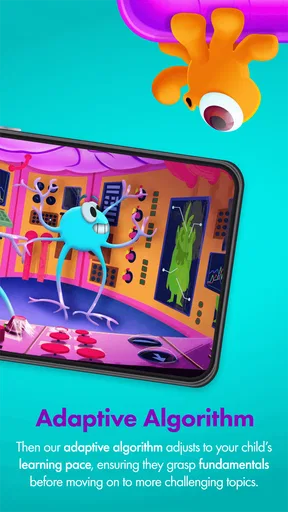
The adaptive approach is appealing because a child’s strengths and sticking points rarely line up neatly across every topic. Still, I wouldn’t treat a change in difficulty as a complete diagnosis of what is going on. A child might make mistakes because a concept is unfamiliar, because they are rushing, or because they are tired. When the app adjusts, I’d use that moment as a prompt to ask the child to describe the method they used, then decide whether they need another example, a break or help from a parent or teacher.
That distinction matters especially when a child says, “I already know this,” but continues to miss similar questions. Instead of pushing through a longer session, I’d pause and ask them to work through one problem aloud. If they can explain the steps but made a careless slip, more repetition may not be the answer. If they cannot explain why a step works, the lesson may need to be revisited with an adult. Adaptive practice can guide attention, but it does not replace that human check-in.
Engaging Content for Young Learners
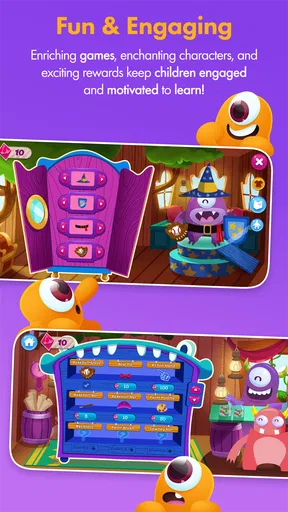
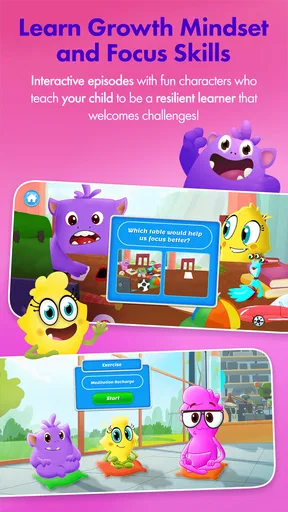
The first thing that struck me about AdaptedMind Math is how much effort has gone into making math not just bearable, but actually enjoyable for kids. The app uses a mix of colorful animations, fun challenges, and interactive activities to keep children interested. Trust me, it’s not just another boring math app. My little one was hooked from the first session.
The lessons are broken down into bite-sized pieces, so it doesn’t feel overwhelming. This is especially great for kids who might struggle with attention. Each lesson feels like a mini-adventure, and kids earn rewards as they progress. These rewards act as a great incentive to keep them coming back for more.
Worth Reading Before You Choose

EA SPORTS FC Mobile 26 Is a Bigger Football Game, but It Takes Time

Flipboard Shows What News Apps Must Do Beyond the Feed

Switching to Android Auto Means Rethinking Your Driving Routine

Google Calendar Makes a Crowded Week Easier to Manage

Ludo King Makes the Most of the Minutes Between Plans

Baby Panda World Brings Quick Play to Modern Phones, but Its Game Library Feels Busy
Personalized Learning Experience
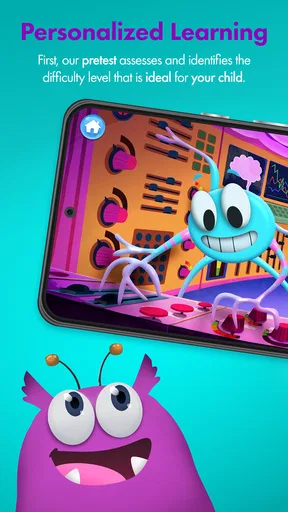
One of the standout features of AdaptedMind Math is its adaptive learning technology. The app tailors the difficulty of the lessons based on your child’s performance. This means that if your kid breezes through addition, but stumbles with fractions, the app will adjust accordingly. It feels like having a personal tutor right in your pocket. How cool is that?
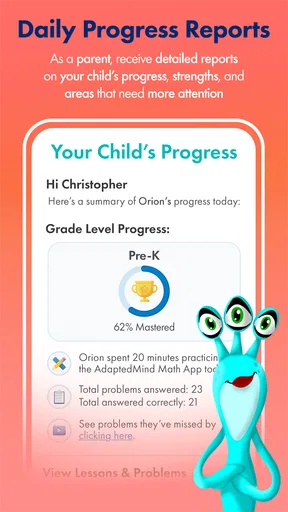
The app also provides detailed progress reports, so you can see exactly how your child is doing. It’s reassuring to know where they’re excelling and where they might need a little extra help. Plus, the reports are easy to understand, even if you’re not a math whiz yourself.
Check the family setup before building a habit
Before settling into regular use, I’d check the available account and learning options with the child who will use the app. The right starting point matters: a child who is confident with basic arithmetic may lose interest if practice feels too easy, while a child who needs more time may feel pressured if the work moves ahead too quickly. I’d let the child try a few activities and watch how they respond before deciding whether this is a good fit for independent practice.
It is also worth agreeing on what counts as a finished session. A reward can be motivating, but it should not become the only reason to open the app. I’d praise a child for explaining a solution or correcting a mistake, not just for completing another activity. That helps keep the focus on understanding, and it makes the app more useful as a learning tool rather than just screen time with math attached.
Wide Range of Topics
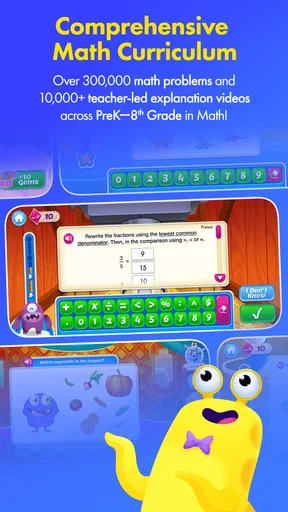
AdaptedMind Math covers a comprehensive range of topics suitable for kids from kindergarten through 6th grade. We're talking everything from basic addition and subtraction to more complex topics like geometry and algebra. This wide scope ensures that your child can continue to use the app as they advance through school.
Each topic is introduced with a video lesson followed by practice problems. The video lessons are short and engaging, making it easier for kids to grasp the concepts. And let me tell you, the practice problems are anything but tedious. They’re interactive and often designed in a game-like format, keeping the learning process dynamic.
Where it fits among other ways to learn
Compared with a paper workbook, this app offers a more lively path through practice, along with adaptive difficulty and progress reports that can help a parent decide what to revisit. A workbook can still be better when a child needs to show written working, practise without a screen or prepare for a class format that relies on paper. I see the app as a companion to those methods, not a replacement for every kind of math learning.
It also differs from a general-purpose puzzle game: the attraction here is that the activities are organized around learning math, rather than simply offering number-themed entertainment. That focus is useful for a child who needs structured practice, though a child looking only for a free-play game may find a dedicated puzzle app more relaxing. If the goal is direct help with a specific homework question, sitting together with the class materials may be more effective than opening an app and hoping it matches that exact lesson.
Community Support and Encouragement
Another element I love about this app is its focus on community support. Kids can earn badges and certificates for their achievements, which they can share with friends and family. There’s also an option for parents to participate by providing encouragement through the app. This kind of positive reinforcement can make a big difference in a child’s learning journey.
The community feature also allows kids to see how their friends are doing, which adds a slight competitive edge. It’s all in good fun and can motivate them to improve their own scores.
Use progress reports to choose the next conversation
Progress reports are most helpful to me when I use them to plan a small next step, rather than to judge a child’s overall ability. If a report points to a topic that needs attention, I’d ask the child to pick one example they remember finding tricky and explain what happened. That keeps the conversation concrete. It can also help separate a genuine gap in understanding from a rushed session or a bad day.
For a parent supporting more than one child, I’d keep expectations individual. The same amount of practice or the same reward may not motivate both children equally. A brief check-in after each session—what felt easy, what felt confusing, and what they want to try next—can make the report more meaningful and prevent the app from turning into a scoreboard between siblings.
Easy to Use Interface
Let’s talk about the user interface for a second. I found AdaptedMind Math incredibly easy to navigate. The layout is intuitive, and even young kids can find their way around without much help. The developers clearly understand that simplicity is key when it comes to children’s apps.
There are no complicated menus or hidden features. Everything is right where you’d expect it to be, and the design is both functional and visually appealing. It’s a win-win for both kids and parents.
Who will get the most from it—and who may not
I’d recommend it most to families looking for repeatable, guided math practice for a child in the early school years, especially when the child responds well to short activities and visual encouragement. AdaptedMind is the developer, and the app is listed in the education category. Its Everyone age rating makes it suitable for a broad audience, while the actual math focus is aimed at children rather than adults seeking advanced study.
I’d be more cautious if a family wants a completely screen-free routine, a tool that mirrors a particular school curriculum lesson by lesson, or a way to teach a concept from scratch without adult support. It may also be a poor match for a child who dislikes animated, reward-based learning or needs substantial one-to-one explanation. In those situations, a teacher, a workbook or a quiet parent-led session may be the better first choice.
Costs, compatibility and what to expect
The app is free to install, but it includes in-app purchases priced at around ten dollars per item. I’d check what is included before a child gets attached to a particular routine, so the family can make a clear decision about whether any paid content is worthwhile. The free starting point can make it easier to assess the style, but families should treat the purchase options as part of the decision rather than assuming every learning activity will remain available without payment.
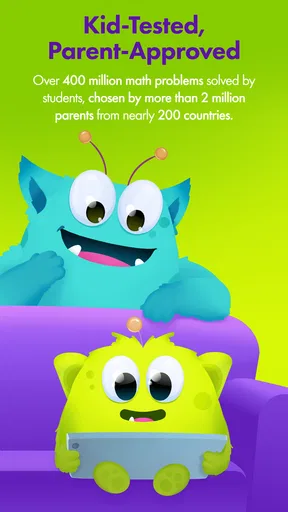
It was released in May 2024, and version 2.60302.11 is the current version. It requires Android 7.0 or later. Those details are useful if you are setting it up on an older device or deciding whether a shared family tablet is suitable. AdaptedMind Math has a 4.6 average from around 2,400 ratings, with about 270 written reviews, and has passed 500,000 installs. I’d take that reception as helpful context, not a guarantee that every child will enjoy the same teaching style.
Final Thoughts
Overall, AdaptedMind Math is a solid choice for parents looking to enrich their child’s math education. The app combines fun with learning, making it an enjoyable experience for young learners. With its adaptive learning features, engaging content, and user-friendly interface, it’s definitely worth a try. So, if you’re ready to transform math time into playtime, give AdaptedMind Math a shot. You might just find your child falling in love with numbers.
A realistic test before committing
I’d judge the fit over a few ordinary sessions rather than one unusually exciting first try. Notice whether the child can return to the activity without repeated prompting, whether they can explain at least some answers, and whether practice leaves them more confident or more frustrated. Those are better signs of a useful routine than how quickly they collect rewards.
My verdict is strongest when the app is used as one part of a child’s learning mix: a little independent practice, a parent who checks in, and schoolwork or offline exercises that make the child show their reasoning. If that is the kind of support your family wants, it is worth trying. If your priority is a tightly matched classroom curriculum, extensive adult-led instruction, or learning away from screens, I’d choose a different primary tool and keep this one out of the routine.
Pros
- Engaging and interactive lessons.
- Adaptive difficulty for personalized learning.
- Wide range of math topics covered.
- Colorful and kid-friendly interface.
- Offers progress tracking for parents.
Cons
- Requires subscription for full access.
- No offline mode available.
- Limited features in free version.
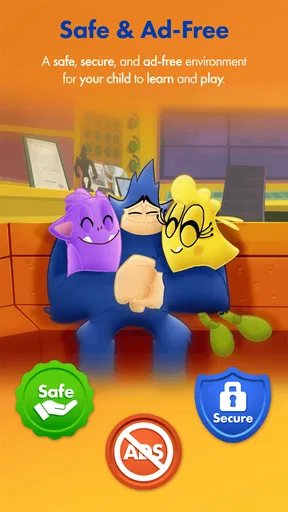
- Ads can be intrusive for some users.
- May not suit advanced learners.
FAQs for AdaptedMind Math: Learning App
What age group is AdaptedMind Math suitable for?
AdaptedMind Math is designed for children in grades K-6, covering a wide range of math skills from basic arithmetic to more advanced concepts. It tailors its content to suit the individual learning pace of each child, making it an excellent tool for both younger kids just starting out and older children needing more advanced practice.
How does AdaptedMind Math personalize learning for each child?
The app uses adaptive learning technology to personalize the experience. It assesses a child's strengths and weaknesses through quizzes and exercises, then tailors the content to focus on areas that need improvement. This ensures that each child is challenged appropriately, promoting effective learning and skill development.
Are there any subscription fees for AdaptedMind Math?
Yes, AdaptedMind Math operates on a subscription model. Users typically pay a monthly fee after a free trial period. This subscription grants access to the full range of features, including personalized learning paths, progress tracking, and a vast library of exercises and games to keep children engaged.
Is AdaptedMind Math available on both Android and iOS?
AdaptedMind Math is available for both Android and iOS devices, making it accessible to a wide audience. Parents can download it from the Google Play Store or the Apple App Store, ensuring that their children can practice math skills on the device that is most convenient for them.
What kind of support is available if I encounter issues with the app?
AdaptedMind Math offers comprehensive customer support. Users can reach out via email or through the app's help section for assistance with technical issues or subscription queries. The team is responsive, ensuring that any problems are resolved quickly to minimize disruption to the learning experience.


